Greening Communities: How Ethnic Media Journalists Are Transforming the Narrative on Parks and Equity in Los Angeles

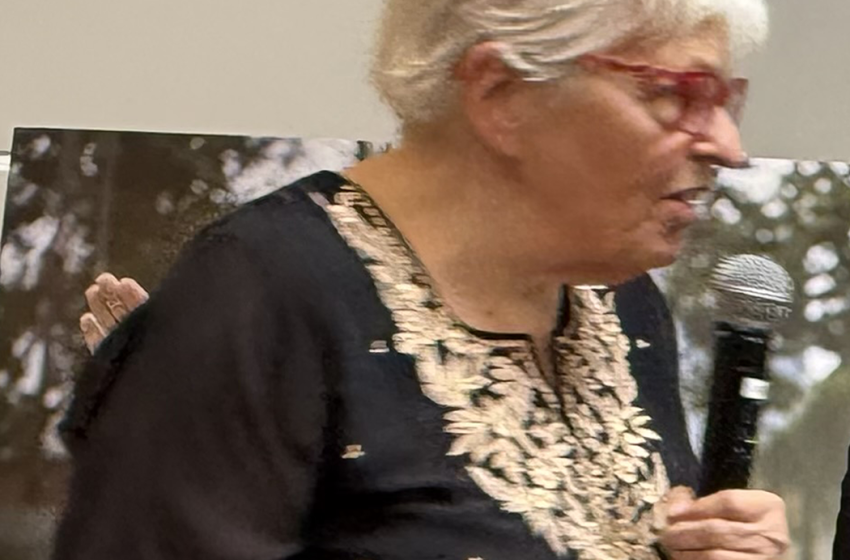
BY: Fatmeh Atieh Bakhit-Al Enteshar Newspaper
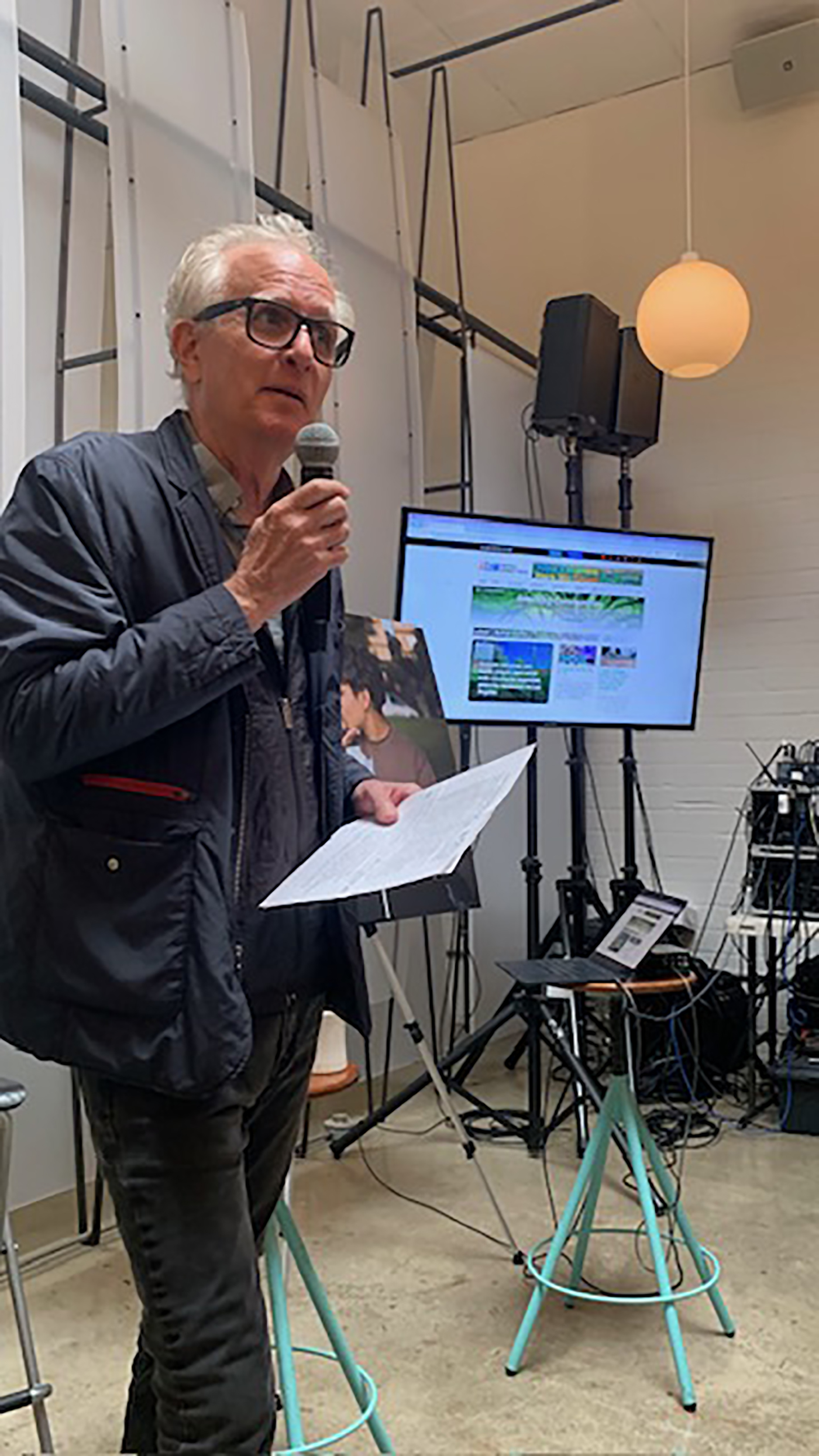
On November 20,2025 at the Clockshop venue in Los Angeles , the hall was filled with journalists, community advocates, and local leaders as UCLA scholar John Christensen opened a conversation that revealed both the challenges and hopes surrounding parks and green space in Los Angeles. As a researcher at UCLA’s Institute of the Environment and Sustainability and director of the Laboratory for Environmental Narrative Strategies (LENS), Christensen has long studied who receives the benefits of urban greening—and who is left out.
“We know parks and access to nature are deeply tied to health, mental health, and well-being,” he reminded the audience. Yet in Los Angeles, nearly one million people do not have a park within walking distance of their homes. Those most affected are disproportionately Black, Latino, immigrant, and low-income communities.
This is what made the partnership between UCLA LENS and American Community Media (ACM) so urgent. Supported by a Bezos Earth Fund grant, the collaborative project trained and supported more than 20 journalists across ethnic and community outlets—including Korean, Chinese, Spanish, English, Persian, Vietnamese, Burmese, Native American, Indian, Samoan, Afghan, Arab American, Black, and LGBTQ media—to produce stories about parks, environmental justice, and neighborhood well-being.
Over two years, journalists produced 123 stories on themes ranging from shade equity and tree planting to park memories, health, and the future of greening schools.
“Your work,” Christensen told them, “is vital to changing the narrative about parks in Los Angeles.
The Power of Storytelling in Green Spaces
ACM Executive Director Sandy Close began by reminding the room of an old lesson from pollster Sergio Bendixen: don’t hand out papers during a presentation—people will read instead of listen. But today, she said, the stories these journalists produced deserve attention on the Greening Communities website and in the project’s printed booklet prepared by Pilar Marrero.
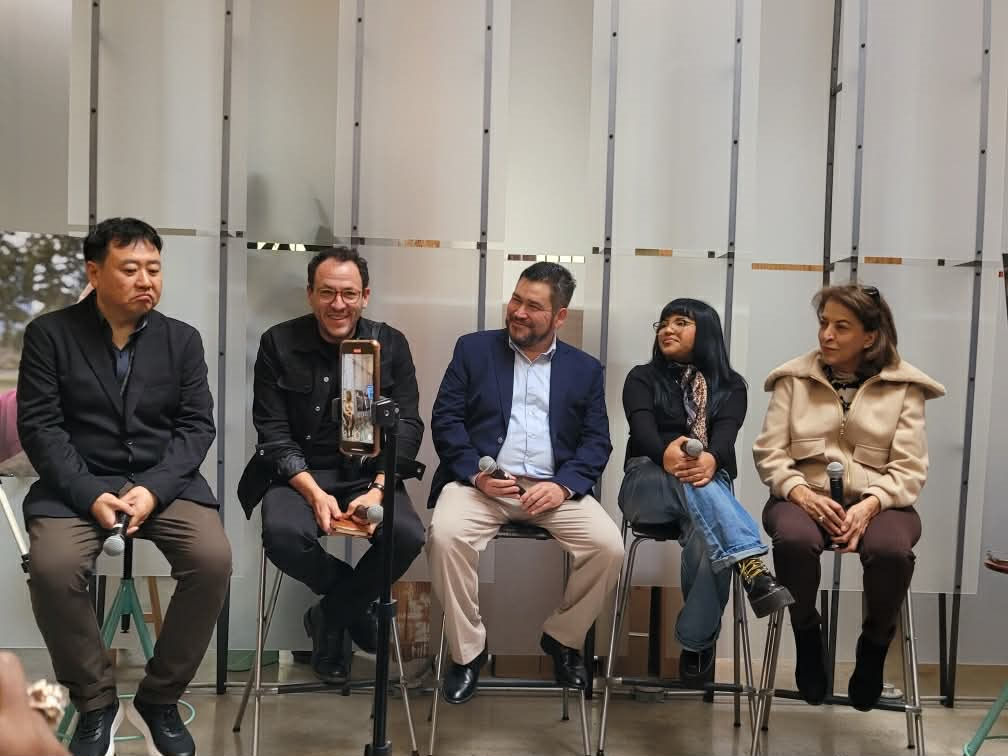
She invited the panelists—photographer Manuel Ortiz, reporters Brenda Salgado, Paul Chun, Carlos Aviles, and Arab American publisher Fatmeh Atieh Bakhit—to reflect on how covering parks changed their work and their understanding of Los Angeles.
Behind them, photos from Ortiz’s powerful photo-essay glowed on the screen: images capturing the intimacy, diversity, and quiet dignity of Angelenos in their neighborhood parks.
Manuel Ortiz: Discovering Parks as Places of Sanctuary
Photojournalist Manuel Ortiz from Redwood City admitted something surprising:
“I didn’t like Los Angeles. I always tried to escape.”
His work usually documents immigration, human rights, and conflict zones. Parks were unfamiliar terrain. But he accepted the challenge with a single small camera and one lens—forcing himself to get close, to listen, and to truly see.
He approached people not with “Can I interview you?” but simply, “Can we talk?” The result was deeply human.
Ortiz expected complaints—trash, fear, safety. Instead, he found gratitude, peace, and resilience.
“People used words like community, peace, exercise. For some, the park was the difference between life and death.”
He met elderly residents who struggled just to walk but came daily. He met a man sleeping on a bench, waiting for a job interview. All agreed to be photographed, and their stories revealed that parks were sacred spaces—‘green sanctuaries.’
Brenda Salgado: South Central’s Long Fight for Access
Reporting for Calo News and LA Free, Brenda described covering parks as both joyful and painful. As a South Central resident, she saw firsthand the inequities:
“There’s a liquor store on every corner—and almost no parks.”
But instead of extracting trauma, she focused on building trust. She visited people multiple times, introduced herself, and let relationships develop.
Her work highlighted
South LA’s historic South Park
Once home to jazz culture, Black Panthers organizing, and now a spiritual and communal refuge—for vigils, rallies, and neighborhood gatherings.
South LA Wetlands Park
A newer park whose community had been demanding repairs and improvements. Brenda uncovered that the park had quietly received a $4.2 million grant—a fact the councilmember had not publicly announced.
“When I told him I was publishing the story, he announced the grant a day before my article came out.”
Her reporting sparked awareness and engagement among residents who deserved transparency and investment.
Paul Chun: Koreatown’s Urgent Need for Green Space
As a 17-year reporter for SBS International and a Koreatown resident, Paul Chun approached the project with three goals:
- Restart the conversation about K-Town’s lack of parks
- Bring residents’ concerns directly to elected officials
- Seek real solutions in one of the most densely populated neighborhoods in America
He interviewed residents, councilmembers, and LA’s Recreation and Parks director—who is himself Korean American.
Chun highlighted the importance of Seoul International Park, a cultural landmark once known as Agmore Park. It was here that 20,000 people gathered during the 1992 LA uprising for a historic peace march.
Today, the park hosts the LA Korean Festival, drawing over 400,000 visitors.
“Parks aren’t just recreation. They are places of history, unity, and healing for our community.”
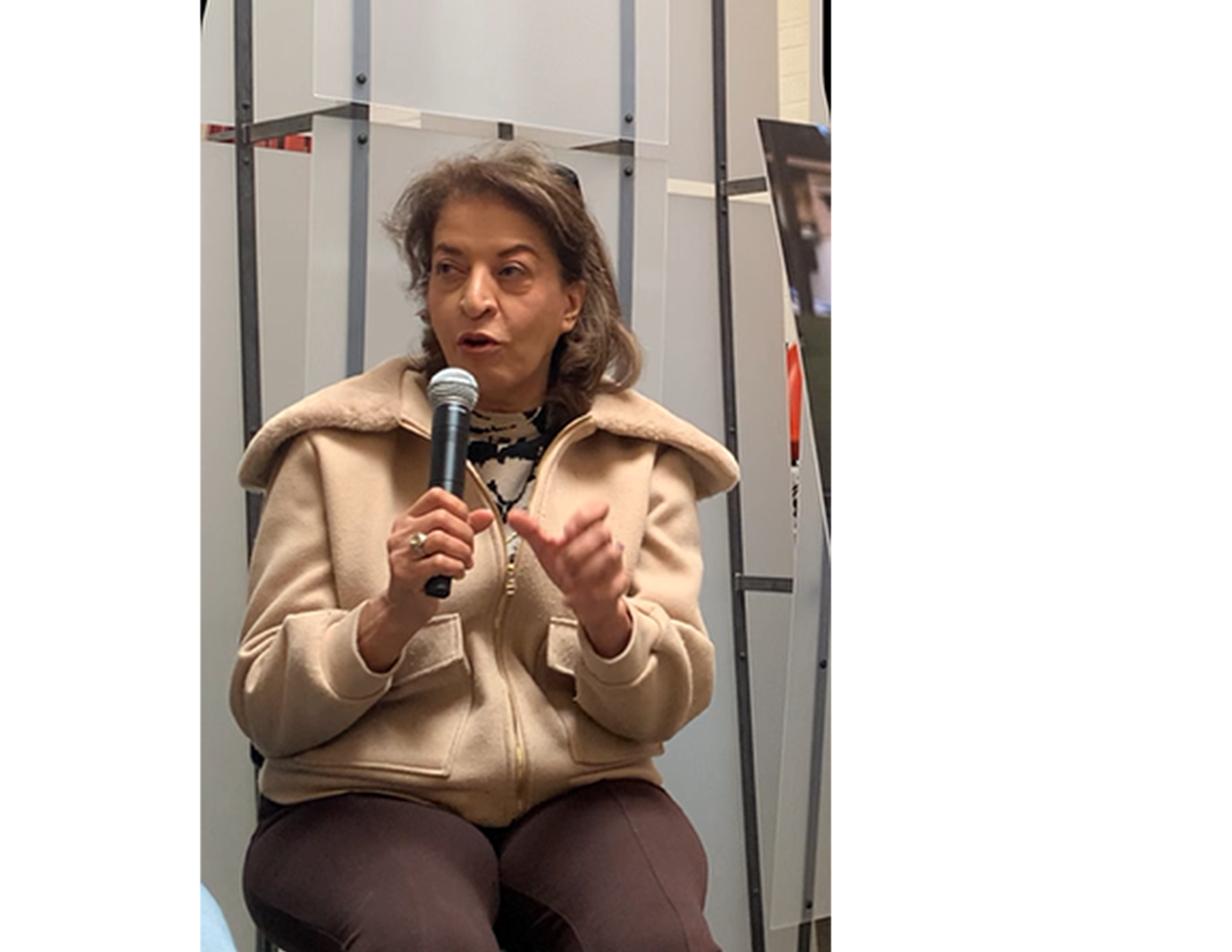
Fatmeh Atieh Bakhit: The Arab American Community’s Missing Parks
Publisher Fatmeh Atieh Bakhit, founder of Al Enteshar Al Arabi, brought a powerful perspective from the Arab American community.
She lives near Griffith Park, and her children grew up with daily access to its trails and playgrounds.
But, she stressed:
“Not everyone in our community has this chance.”
Many Arab American families live in areas with no nearby parks, few gathering spaces, and no cultural representation.
Key needs she highlighted:
- More parks within 5–10 miles of Arab neighborhoods
- Parks with pools, playgrounds, and community-gathering areas
- Cultural representation, such as plaques or landmarks
- Affordable public spaces for celebrations, festivals, and family events
Every year, more than 2,000–3,000 Arab residents gather in Glendale parks for Eid because no dedicated community space exists.
“We love to gather, to dance, to sing—but we have nowhere to do it. Our voice must be heard.”
Carlos Aviles: Seeing Transformation Through Parks
Veteran Spanish-language journalist Carlos Aviles revisited parks he had covered 20 years earlier—such as Hazard Park, once known for gang violence and safety concerns.
What he found was profoundly moving:
“Twenty years later, I saw soccer teams, youth programs, and pride.”
He also covered neighborhoods like Salt Lake, where residents still lack basic green space—and where parks, when they do exist, must also be safe, not just present.
Aviles emphasized the importance of the Park Needs Assessment (PNA) survey and how many residents had never heard of it until he reported on it.
“People don’t understand park equity until you talk to those affected by its absence.”
Sustaining the Momentum: Why Park Reporting Must Continu
The panel concluded with a conversation about the future—particularly the likelihood of a major parks and open space bond on the 2026 ballot.
Their shared message:
Journalists must keep parks on the public agenda.
Their strategies:
- Connect parks to community health and mental well-being (Paul)
- Continue simple, human-centered storytelling (Manuel)
- Ensure funding for independent media and fellowship programs (Brenda)
- Use social media to reach younger audiences (Fatmeh)
- Highlight transformation and community impact (Carlos)
Sandy Close underscored the unique power of ethnic media:
“We are conveners of community. Our reporting creates bridges—between residents and decision-makers, between cultures, and across neighborhoods.”
Christensen closed the event by recognizing the journalists’ vital role:
“You are all essential to changing the narrative—and changing communities for the better.”
A New Vision for Los Angele
The Greening Communities initiative proved something profound:
When local journalists tell the stories of parks, they change the way a city understands itself.
They reveal where inequities persist, where hope grows, where history lives, and where communities gather despite hardship.
They remind us that parks are not luxuries—they are lifelines.
And in a city facing environmental, economic, and social challenges, these journalists have shown that the path to a healthier, more connected Los Angeles begins with something simple:
A green space. A safe place. A park.