

Funding for Parks to End as LA hosts World Cup And Olympics

By
Pilar Marrero
Feb 20, 2026
Experts fear the games could further strain public green spaces, especially without funding to maintain the system even at its current, already inadequate level.
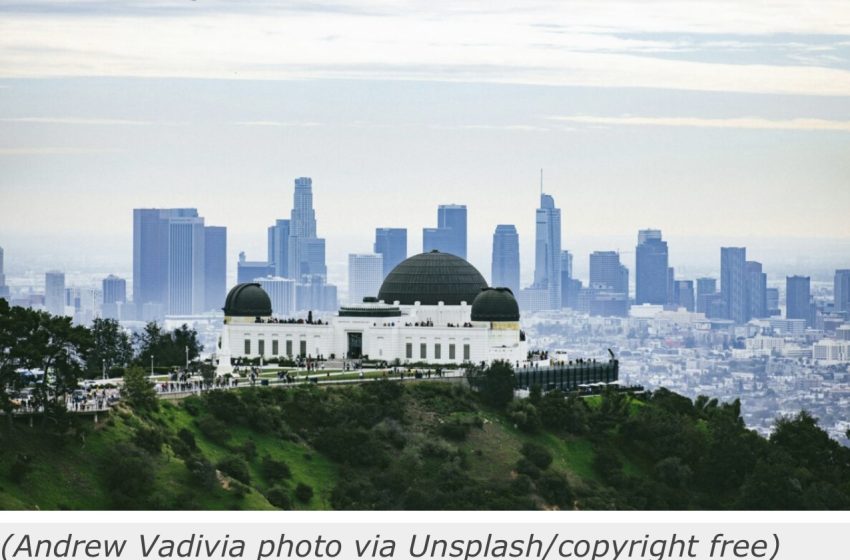
(Andrew Vadivia photo via Unsplash/copyright free)
After investing nearly $4 million in a consultation process with Los Angeles residents about their park and green space needs, a lack of support from municipal leaders appears to have derailed a ballot measure that would have financed the future of these spaces across the city.
The initiative, the result of years of work by local environmental leaders and the Park Needs Assessment conducted by the Los Angeles Department of Recreation and Parks, has been unable to start collecting the signatures required to qualify because of a lack of funding, which activists attributed to Mayor Karen Bass’s not publicly supporting the measure.
“There was a lack of leadership from Mayor Bass,” said Tori Kjer, executive director of the nonprofit Los Angeles Neighborhood Land Trust, which promotes equitable access to parks in underserved communities. “Ultimately, we need city leadership to step up and make this a priority.”
Strain on Green Spaces
The City of Los Angeles will soon host matches in the 2026 FIFA World Cup and, in 2028, the XXXIV Summer Olympic Games, two global sporting events that will project the image of the nation’s second-largest city to the world.
“The measure would have supported the Olympics, paying for the staffing, operations, and park and recreation center maintenance needed for 2028,” Kjer said, in addition to providing annual funding to address maintenance backlogs and create new parks over the next generation.
Experts fear the games could further strain public green spaces, especially without funding to maintain the system even at its current, already inadequate level.
Billion Dollar Deficit
According to several sources close to the process, the lack of support from top city leadership dried up potential donor funding for the signature-gathering campaign, even though polling suggests the measure’s principles have public backing.
“Leaders in City Hall have undermined funding and staffing for parks in recent years, and they’re doing it again now,” said Jon Christensen, director of the Laboratory for Environmental Narrative Strategies at the University of California, Los Angeles.
Christensen and other environmental experts explained that Los Angeles’s park system faces a maintenance deficit of tens of billions of dollars, and its annual budget is far below what is needed.
In just 5 years, the city’s park system has dropped from 49th to 90th out of 100 cities nationwide. Los Angeles spends $92 per resident on parks, compared with an average of $283 in other major cities.
“The parks we already have are deteriorating and not properly maintained, and we haven’t kept pace with population growth; we’re not adding green space as Los Angeles has expanded dramatically,” said Nola Eaglin Talmage, director of the Trust for Public Land’s Parks for People program.
Repeated requests to Mayor Bass’s office for comment went unanswered, as did inquiries to City Council President Marqueece Harris-Dawson’s office.
Several councilmembers have expressed support for the measure, including Eunisses Hernandez (District 1), Monica Rodriguez (District 7), and Nithya Raman (District 4), who recently announced she will challenge Bass in this year’s mayoral race.
Prop K
“Proposition K, a park funding source that allocates $25 million annually, is set to expire this year, and there is no replacement mechanism,” said Naomi Roochnik, communications director for Councilmember Eunisses Hernández, confirming the office supports the citizen-led initiative.
The measure, developed by environmental experts and informed by a year-long consultation process involving more than 100,000 Los Angeles residents through the PNA, would have appeared on the November 2026 ballot.
The initiative would have created a permanent, voter-protected funding stream to repair, staff, and expand the city’s park system, prioritizing park-poor neighborhoods, climate and wildfire resilience, and strict public oversight.
Angelenos Ask for the Basics
During last year’s public engagement process, “people were excited to be asked about parks,” said Darryl Ford of the Los Angeles Department of Recreation and Parks.
“Residents understood the budget constraints and basically said: can you give us trees, benches, and a place to walk?” Ford said.
For Ford, the PNA will not be wasted “no matter what happens with funding,” because it will now serve as a framework for city decisions. “Whether there are more or fewer resources, we’ll use a clear public framework to make the best use of every dollar.”
But the budget outlook without new park funding will be difficult, said Sarah Friedman, special programs administrator at the Trust for Public Land.
Chronic Underinvestment
“I hate to say it all comes down to money, because we have a very dedicated park team and a beautiful system,” she said. “But we don’t have the resources to care for what we have or to restore, improve, and build new parks in the communities that need them most.”
Freedman said the effects of chronic underinvestment are visible throughout the system.
“When you look around, things are in disrepair. Bathrooms aren’t maintained, facilities are closed, and trash isn’t picked up,” she said. “It’s not because public employees are lazy. The Recreation and Parks Department has been starved of resources for years.”
Alfredo Gonzalez of the Resources Legacy Fund said the situation reflects a longstanding pattern in local government budgeting.
“Most local governments don’t treat parks as critical infrastructure like bridges or hospitals,” Gonzalez said. “They end up at the bottom of the list, so they don’t get enough resources and are constantly struggling.”
What’s Next for the Future of Parks?
Experts agree that without a dedicated funding stream, cuts to already insufficient park maintenance will be inevitable.
A similar citizen initiative could be attempted in two years, but plans are also emerging for a countywide park measure in 2028, which could compete with it, potentially weakening both.
A council-referred measure would be cheaper to place on the ballot but harder to pass, requiring a two-thirds vote rather than a simple majority.
Activists are now focusing on submitting proposals to the City Charter Reform Commission, which is currently considering updates to the city’s governing document.
No Increase to Funding Mandate in 90 Years
An email circulated among allies’ notes that the charter’s park funding mandate has not increased since 1937 and calls for doubling the allocation. The Recreation and Parks budget grew only half as much as other departments between 2009 and 2023.
Whether or not these efforts succeed, the debate has underscored the central role parks play in the city’s social and environmental future and the growing recognition that sustaining them will require long-term commitment rather than periodic attention.
Today, researchers widely recognize both the importance of parks to public well-being and the disparities between wealthier and lower-income neighborhoods.
“We often think of parks simply as places for recreation, but they’re also spaces that build community and social cohesion,” said Dayana Molina, community relations manager at the Trust for Public Land. “It’s very negative when people don’t have a third space beyond home and work.”
Advocates say this seemed like the right moment to move forward with a measure that would elevate the city’s parks to the level they should have.

