

The Expanding Surveillance Dragnet

September 10 in San Francisco
Alenteshar Al Arabi Newspaper — Fatmeh Atieh
Over the past year, immigration raids carried out by Immigration and Customs Enforcement (ICE) have increased in major U.S. cities. The Trump administration detained 590,000 immigrants, including a record 50,000 in July alone. Federal immigration policy is increasingly relying on advanced surveillance technologies that compile public and private data, track social media and digital activity, and monitor vehicle license plates—all to target individuals and entire communities.
This shift—from “shock and awe” tactics to covert and surprise operations—is paving the way for a “surveillance state” whose reach spares no one, whether a U.S. citizen or a noncitizen. What are these tools? How are they evolving? And what legal, legislative, and grassroots challenges are emerging to protect immigrants from intrusive tracking technologies?
Speakers
Jonathan Baz, congressional candidate for Massachusetts’ 5th District and former Flock whistleblower
Brian Hofer, executive director of Secure Justice
Kimberly Wu, community organizer with SIREN, an immigrant rights organization
Lina Graber, senior managing attorney at the Immigrant Legal Resource Center
Abdi Soltani, executive director of the ACLU of Northern California
Warnings About the Expanding Digital Surveillance Dragnet and Its Impact on Immigrants
Experts and advocates discuss the use of license plate readers and databases, and call for scrutiny of government contracts and stronger community oversight
Participants in a media briefing organized by American Community Media warned that the use of digital surveillance technologies is expanding across the United States, and that data generated by these technologies can be combined and linked to track people, including immigrants and activists. They emphasized that the issue is not about one camera or one company, but about a system involving license plate readers, surveillance cameras, phone data, government and commercial databases, and analytical software that can quickly sort through this information.
The briefing was titled “The Expanding Surveillance Dragnet: The Stealth Chapter in the War on Immigrants” and was held virtually on Friday, September 18, 2026. Speakers discussed what can happen when information from street cameras, databases, or phones is collected and analyzed together. They said that, over time, these records can reveal people’s movement patterns, the places they visit, and sometimes the people they are frequently with.
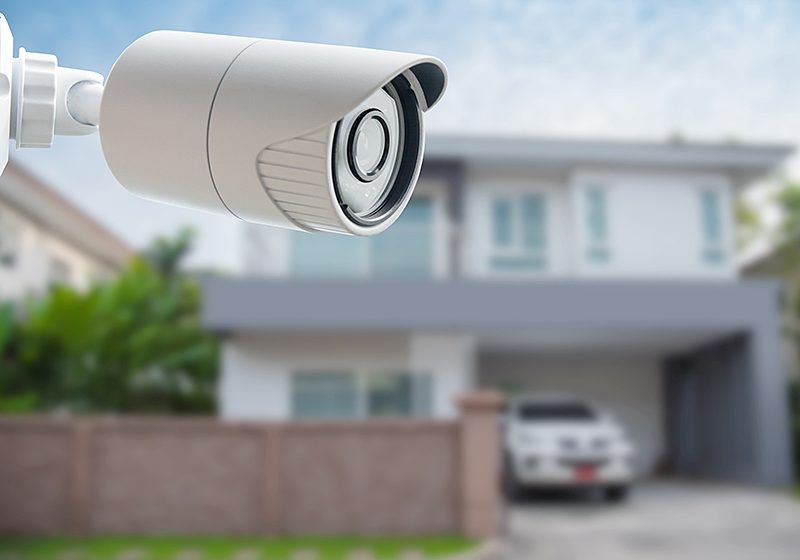
The discussion focused on automated license plate readers, commonly known as ALPRs. These cameras photograph vehicles and their license plates, typically recording the time and location of each sighting. The resulting records can then be searched and compared with other data.
Baz: These systems may be used beyond their stated purpose
Jonathan Baz spoke about his former work at Flock Safety, explaining that he joined the company’s government affairs team sometime in 2024 and worked there until mid-2025. He said he represented the company at city council meetings and public hearings, explaining to officials and residents why the technology was being used.
Baz said he joined the company believing its systems would help find missing children, locate stolen vehicles, and solve certain crimes. He later left in protest over what he viewed as the expansion of public surveillance and his concerns that the data could be used for immigration enforcement.
He said companies often present license plate readers as tools to help police investigate specific cases, such as finding a missing child or a stolen vehicle. But, he said, those stated purposes do not necessarily explain everything the systems can do once installed, or how the collected data might later be used. He added that adding surveillance systems to city budgets could pave the way for cities to purchase other tools, such as live-streaming cameras or drones.
Baz criticized relying solely on local police policies or company promises to protect data. Written rules do not always ensure that information will remain within the limits of its original intended use, particularly when multiple agencies can access the systems or exchange data, he said. Some restrictions adopted by a city or state may become less effective if data is transferred to broader networks or accessed by other agencies.
Baz said that, according to his account, his city in Massachusetts installed about 12 cameras in a single night, without prior public discussion or a public hearing. He said the incident illustrates why residents need to know how decisions to purchase surveillance systems are made, who approves them, where the funding comes from, and whether residents were informed or given an opportunity to express their views.
Baz also spoke about a community response network created to support residents during immigration enforcement activity. He said participants worked to document vehicles they suspected were connected to immigration operations, while distinguishing confirmed information from unverified reports. He stressed that a license plate number alone is not enough to confirm a vehicle’s identity or who is using it, since plates and vehicles can change. Information should therefore be verified before it is shared.
Baz urged residents to follow city council meetings, submit public records requests, and ask local officials to explain how data is collected, stored, and shared. He also called for local and statewide campaigns to review the use of these systems and hold police and government agencies accountable for how they access and retain data.
Hofer: A license plate reader cannot be understood apart from the wider data system
Brian Hofer said a license plate reader should not be treated as a stand-alone tool, separate from other surveillance technologies. Images of vehicles and location data can be combined with recordings from other cameras, phone information, and various databases, then analyzed by software to find patterns or connections between people and places.
Hofer said some systems can analyze vehicle characteristics even when the license plate is unclear, including a vehicle’s color, make, or distinctive markings. Comparing where and when a particular vehicle appears may help build a picture of its owner’s movements, or of people who travel with or meet one another frequently, he said.
He warned that collecting this information can lead to conclusions about people’s lives and relationships, even when they are not suspected of committing a crime. For example, a vehicle’s presence in a public place or near a gathering could become part of a searchable record. He added that artificial intelligence tools increase agencies’ ability to process and link large volumes of data quickly.
Hofer also discussed what are known as fusion centers, where local, state, and federal law enforcement agencies work together. He said data sharing through these centers can weaken protections that some cities and states have adopted for residents’ information, particularly if the data reaches agencies outside the scope of those local rules.
He also discussed California’s SB 34, a law that restricts the sharing of license plate reader data outside the state. Hofer said enforcement of the law and compliance with it remain disputed. His organization and other rights groups, he said, use public records requests, lawsuits, and community pressure to monitor data sharing.
Hofer urged residents to learn the details of surveillance technology contracts: What data is collected? Who can access it? How long is it retained? Can it be shared with agencies outside the city or state? He also called on residents to ask local councils to make this information public before approving or renewing contracts, and to use public records requests to learn what is not discussed in open meetings.
Wu: Fear can keep families away from services and public gatherings
Kimberly Wu offered a community perspective, explaining that the effects of surveillance go beyond the data itself. They also affect people’s sense of safety and their ability to take part in everyday life. She said some immigrant families fear that information they provided to access a service or receive assistance could later be used against them, or that surveillance systems could reveal their movements.
Wu spoke about the experience of members of her own family. She said some had faced detention and deportation after waiting many years to obtain permanent residency.
She added that this experience heightened fear throughout the family, including among people who are U.S. citizens or have legal status. It also affected their sense of safety when renewing documents or applying for programs and services for which they are eligible.
Wu said fear can lead some people to avoid public gatherings, change how they travel, or hesitate to participate in community events. Not knowing what data is being collected about them, or which agencies can access it, increases anxiety and weakens trust in institutions, she said.
Wu described organizing efforts in the San Francisco Bay Area to oppose the use of license plate readers.
She said a coalition of more than 20 local organizations met with officials, held protests, and made public comments at city council meetings. According to Wu, community pressure helped end a contract with Flock in Mountain View and led the city council to vote unanimously against moving forward with the exploration of a new license plate reader program.
She said the campaigns expanded to other cities and institutions in the region. Organizers used different forms of public education to explain the technology, including visual materials, public activities, and marches. Wu said communities learned from one another about how to monitor contracts, file public records requests, review surveillance systems, and participate in public meetings.
Graber: Sanctuary policies matter, but they do not cover every source of information
Lina Graber said immigration enforcement does not rely on technology alone. She explained that arrests may take place at immigration courts, during visits to immigration offices, or at workplaces. They may also begin after local police stop someone and turn that person over to immigration authorities.
Graber said sanctuary policies that limit cooperation between local police and immigration authorities can affect the outcome of immigration enforcement. But these policies do not, by themselves, cover all the information available through digital surveillance. Data may come from many sources, including government databases, data brokers, social media platforms, location records, and cameras.
She explained that immigration enforcement authorities may seek answers to a series of questions: Who is this person? What information is available about them? Might they be subject to deportation proceedings? Where do they live, or where are they likely to be found? In her view, combining data from different sources can make it easier to answer these questions and locate people.
Graber warned that some points of contact with the immigration system may carry greater risks, including appearing in immigration court, attending check-in appointments, going to certain appointments related to immigration applications, traveling by air, or interacting with police in places that do not impose strong limits on cooperation with immigration authorities. She stressed the importance of relying on accurate, up-to-date information and seeking advice appropriate to each individual case rather than relying on rumors or broad generalizations.
She emphasized that addressing surveillance requires collective action, including organizing communities and holding officials accountable for the funding and policies that allow these systems to expand. In her view, the issue is not only technological; it is also tied to political decisions and how power and data are used.
Calls for transparency and public oversight
At the close of the briefing, speakers urged journalists, organizations, and community members to monitor surveillance company contracts, local council decisions, and data-sharing policies. They also stressed the importance of knowing which agencies use these systems, their intended purpose, and what safeguards govern the storage and sharing of information.
They emphasized the need to verify information about vehicles and individuals before publishing it, and not to treat suspicion as confirmed evidence. They also called for greater participation in public meetings, the use of public records requests, and clear answers from officials about how data is collected and who can access it.
Participants concluded that protecting privacy requires more than written rules. It requires ongoing monitoring and accountability for the agencies that collect or use data, as well as community participation in decisions that affect residents.

