

Experts Warn of Escalating Ebola Crisis in Central Africa as Conflict, Misinformation, and Funding Cuts Complicate Response

Al Enteshar Newspaper – LOS ANGELES- Fatmeh Atieh
— Public health experts, conflict researchers, and African diaspora leaders warned during a June 19 briefing hosted by American Community Media that the ongoing Ebola outbreak in the Democratic Republic of Congo (DRC) and neighboring Uganda could become one of the most serious Ebola emergencies in recent history.
The discussion featured Dr. William Schaffner, Professor of Preventive Medicine and Infectious Diseases at Vanderbilt University School of Medicine; Dr. Rachel Sweet, a researcher specializing in conflict and governance in Central Africa; and Pamela Asobo-Anchang, Editor-in-Chief and Publisher of Immigrant Magazine.
The speakers examined the spread of the Bundibugyo strain of Ebola, the challenges created by armed conflict and political instability, the dangers of misinformation, and the response of African diaspora communities in the United States.
Dr. Schaffner began by explaining the nature of the Ebola virus and the unique concerns surrounding the current outbreak.
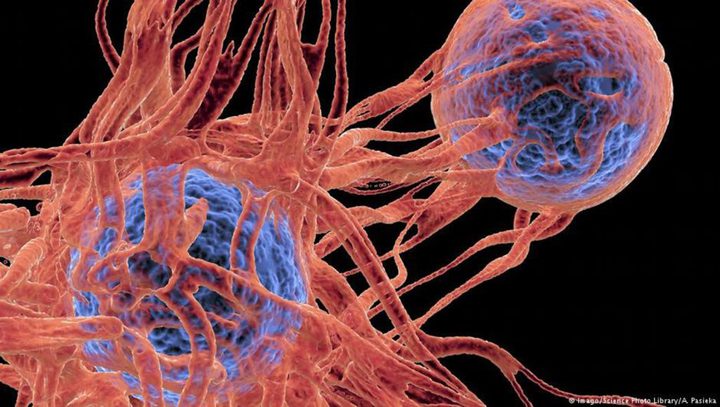
Ebola belongs to a group of diseases known as viral hemorrhagic fevers. Scientists believe the virus is naturally carried by fruit bats, which serve as its primary reservoir in the wild. Human infection may occur through direct contact with infected bats or through contaminated fruit that has been partially eaten by them.
Once infected, a person may carry the virus for days or even weeks before symptoms appear. During this incubation period, the individual is generally not contagious. However, once symptoms develop, patients may experience fever, body aches, headaches, fatigue, loss of appetite, nausea, vomiting, and diarrhea. In severe cases, Ebola can lead to internal bleeding, organ failure, coma, and death.
Schaffner emphasized that Ebola spreads through direct contact with infected bodily fluids—not through the air like influenza or COVID-19.
The current outbreak is being driven by the Bundibugyo strain, one of six known Ebola species. Unlike some other strains, there is currently no approved vaccine available to prevent Bundibugyo infections.
“Researchers are working urgently to develop a vaccine,” Schaffner said, “but for now, public health officials must rely on traditional containment measures.”
Those measures include rapid diagnosis, patient isolation, contact tracing, monitoring of exposed individuals, and educating communities about transmission risks.
One of the most difficult aspects of controlling Ebola outbreaks involves traditional burial practices.
Because Ebola remains highly infectious after death, family members preparing a body for burial may unknowingly expose themselves to the virus. Washing, touching, or kissing the deceased can contribute to further transmission.
Schaffner stressed that successful interventions require cooperation with religious and community leaders to adapt burial practices while preserving cultural dignity and respect.
“These traditions are deeply meaningful,” he said. “The challenge is to maintain respect for the deceased while preventing further infections.”
Dr. Rachel Sweet argued that the greatest obstacle to containing Ebola may not be the virus itself, but the political and security environment in eastern Congo.
Drawing on years of field research and recent conversations with healthcare workers and community leaders, Sweet challenged common international narratives about the region.
She explained that eastern Congo is often portrayed as a lawless area controlled solely by tribal militias or terrorist-linked groups. In reality, she said, the situation is far more complex, with armed factions often intertwined with government and military structures.
“The conflict is deeply connected to state institutions,” Sweet said. “Many communities have experienced years of violence, corruption, and insecurity. That history shapes how people respond to public health interventions.”
According to Sweet, distrust of government-backed health programs should not automatically be dismissed as ignorance or misinformation. Many residents have legitimate concerns based on their lived experiences.
“When people question whether Ebola is real,” she explained, “the deeper concern is often whether authorities can be trusted, whether the response may be politicized, or whether it will increase risks to their communities.”
She also highlighted the extraordinary efforts being made by local healthcare workers, religious leaders, and community organizations that are already mobilizing to contain the outbreak despite limited resources.
Several reporters questioned the panel about the impact of reductions in international aid programs, including cuts affecting global health initiatives supported by the United States.
Schaffner acknowledged that reductions in funding likely contributed to delays in diagnosis, surveillance, and response efforts.
Laboratory capacity, testing resources, communications systems, and public health infrastructure have all been affected, making it more difficult to detect and contain outbreaks quickly.
“This outbreak is occurring in remote regions already facing instability,” Schaffner noted. “Any reduction in resources makes response efforts more challenging.”
The speakers emphasized the importance of renewed international support through the World Health Organization and other global partners.
With millions of international visitors expected during the 2026 FIFA World Cup, reporters asked whether Americans should be concerned about Ebola reaching the United States.
Schaffner reassured participants that the risk remains very low.
The outbreak is concentrated in remote parts of Central Africa, and Ebola is far more difficult to spread than airborne viruses. In addition, hospitals and public health agencies in the United States have established protocols to identify, isolate, and manage suspected Ebola cases.
“This is not another COVID-19 situation,” Schaffner said. “Ebola requires direct contact with infected bodily fluids, and healthcare systems are prepared to respond.”
Pamela Asobo-Anchang discussed her conversations with members of African diaspora communities from Uganda, Cameroon, Nigeria, Tanzania, and the Democratic Republic of Congo.
She found a wide range of reactions.
Many members of the Congolese community expressed deep concern about relatives back home and described the emotional burden of monitoring the outbreak from abroad. Some reported sending money to family members to help secure food, clean water, and healthcare.
Others expressed concern that travel restrictions could make it difficult to visit family while maintaining their ability to return to the United States.
At the same time, some individuals from other African communities questioned the severity of the outbreak or expressed skepticism about reports coming from the region.
According to Asobo-Anchang, fear of stigma may be influencing these responses.
“People are concerned about being associated with disease outbreaks,” she said. “Some fear discrimination, social stigma, or even employment consequences simply because they come from countries connected to Ebola
A recurring theme throughout the briefing was the role of misinformation.
The speakers warned that false information can undermine trust, discourage people from seeking treatment, and increase fear within affected communities.
At the same time, they stressed the importance of understanding the social and political realities that contribute to public skepticism.
Asobo-Anchang noted that misinformation often spreads quickly when communities lack access to reliable information, while stigma can persist long after a health crisis subsides.
“Sometimes stigma and misinformation can be as damaging as the disease itself,” she said.
The panel concluded by emphasizing that controlling the outbreak will require more than medical treatment alone.
Success will depend on sustained international support, improved funding for healthcare systems, reliable public information, community engagement, and collaboration with trusted local leaders.
The speakers also called for greater recognition of the healthcare workers, community organizations, religious leaders, and volunteers in Congo who continue to confront the outbreak despite difficult and often dangerous conditions.
While experts agreed that the threat to the United States remains low, they warned that the humanitarian consequences for Central Africa could be devastating if the outbreak is not contained.
“The world should respond with support, not fear,” Schaffner concluded. “The people facing this outbreak need resources, solidarity, and sustained international attention.”
See less

